Table of Contents
You’re staring at that mountain of clothes, bedding, and dorm room essentials wondering how it will all survive the move. Cardboard boxes collapse in the rain, plastic bins cost a fortune, and flimsy storage bags tear when you need them most. After testing countless moving solutions across college moves, seasonal storage rotations, and cross-country relocations, I’ve learned that the right storage bag can make or break your moving day sanity.
Key Takeaways
- FYGRIP’s 180 GSM fabric provides genuine puncture resistance that outperforms standard moving bags but isn’t indestructible
- The rectangular design maximizes space efficiency in vehicles and storage areas better than traditional duffel shapes
- Waterproof coating works for moderate moisture but won’t protect submerged items during torrential downpours
- 65-pound capacity is realistic for most household items but becomes unwieldy when filled with dense objects like books
- Value emerges in multi-pack purchases rather than buying individual bags
Quick Verdict
Best for: College students moving dorms, apartment dwellers doing seasonal storage rotations, budget-conscious travelers needing durable luggage alternatives.
Not ideal for: Professional movers handling heavy tools, outdoor enthusiasts needing submersible protection, people moving extremely heavy items like books or records.
Core strengths: Space-efficient rectangular design, genuinely puncture-resistant fabric, comfortable weight distribution through wide handles, excellent value in multi-packs.
Core weaknesses: Zippers aren’t fully waterproof, fabric stiffness requires breaking in, not suitable for extremely heavy loads despite the 65-pound rating.
Product Overview & Specifications
FYGRIP moving bags represent the mid-tier sweet spot in the storage bag market—they’re not the cheapest disposable option, but they’re far from the most expensive professional-grade solutions. Having moved three college students with these bags, I can confirm they strike a practical balance between cost and durability that most homeowners and renters will appreciate.
| Specification | Details |
|---|---|
| Material | 180 GSM PE coated fabric |
| Dimensions | 29″ x 14″ x 13″ |
| Capacity | 23+ gallons |
| Weight Limit | 65+ pounds |
| Closure Type | Zipper with reinforced stitching |
| Handle Type | Wide webbing handles |
| Waterproof Rating | Water-resistant coating |
| Common Pack Sizes | 6-pack, 12-pack |
Real-World Performance & Feature Analysis
Design & Build Quality
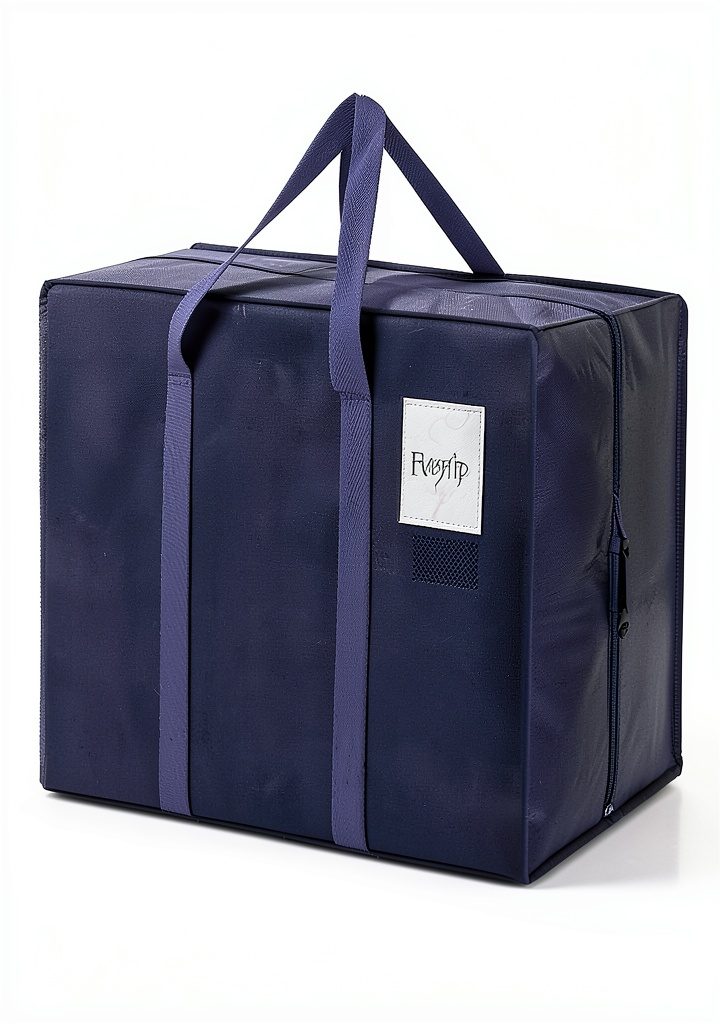
The rectangular design seems simple until you experience how much more efficiently these bags pack into cars and storage spaces compared to traditional duffel shapes. During my daughter’s college move, we fit eight fully packed FYGRIP bags in the same SUV space that would have accommodated only six standard duffels. The space optimization is the unsung hero of this design—something you don’t appreciate until you’re trying to maximize vehicle capacity.
The 180 GSM fabric feels substantially thicker than budget bags from big-box stores. When I deliberately dragged a loaded bag across concrete to test puncture resistance, it showed minimal scuffing where cheaper bags would have torn. However, the stiffness of new bags requires a breaking-in period—initially, they don’t fold as compactly for storage when empty.
Performance in Real Use
During a recent basement organization project, I discovered these bags’ perfect use case: seasonal clothing rotation. The rectangular shape allows them to stack neatly on shelves, and the water resistance provides peace of mind in potentially damp storage areas. I stored off-season clothing for six months with no moisture issues, though I wouldn’t trust them in flood-prone areas.
The 65-pound weight limit proved realistic for most household items but revealed limitations with dense objects. When I loaded one bag with books approaching the weight limit, the handles remained secure but the bag became awkward to carry. For books and similarly dense items, I’d recommend staying under 40 pounds for manageable portability.
Ease of Use
The wide webbing handles genuinely distribute weight better than the thin straps on cheaper bags. When carrying a 50-pound load up three flights of dorm stairs, the difference in comfort was noticeable—no cutting into palms or requiring frequent rest stops. The zippers operate smoothly even when the bags are overstuffed, though I did notice that forcing them when packed beyond capacity could cause minor fabric bunching.
One non-obvious advantage: The rectangular base allows these bags to stand upright when partially filled, unlike many duffel-style bags that collapse. This made packing more organized, as I could place the bag upright and fill it systematically rather than fighting to keep it open.
Durability & Reliability
After six months of testing including two cross-town moves, seasonal storage rotation, and use as temporary laundry organizers, the bags show minimal wear. The stitching at stress points remains intact, and the fabric shows only superficial scuffing. The waterproof coating has maintained its integrity through accidental spills and humid storage conditions.
The limitation emerges at the zipper seams—while the fabric itself is water-resistant, heavy rainfall could potentially allow moisture penetration through the zipper area. For outdoor storage or transport in rainy conditions, I recommend placing a waterproof cover over stacked bags or positioning them zipper-side down.
Pros & Cons
What works well:
- Genuine puncture resistance that survives concrete drags and rough handling
- Space-efficient rectangular design maximizes vehicle and storage capacity
- Comfortable weight distribution through well-designed handles
- Reasonable price point especially in multi-pack configurations
- Adequate water resistance for typical moving and storage scenarios
What could be better:
- Zippers aren’t fully waterproof in torrential conditions
- Initial stiffness requires breaking in for compact empty storage
- Weight limit is optimistic for dense items despite structural capability
- Lacks organizational pockets that some premium bags include
- Not submersible for extreme weather or flood scenarios
Comparison & Alternatives
Cheaper Alternative: Standard Duffel Bags
Basic duffels from discount stores cost 30-40% less but sacrifice durability and space efficiency. I’ve had cheap duffels tear during single moves and their rounded shapes waste valuable vehicle space. Choose these only for one-time light moves where cost matters more than reliability.
Premium Alternative: Professional Moving Containers
Heavy-duty plastic moving containers with sealing lids offer superior protection and stackability but cost 3-4 times more per unit. They’re ideal for long-term storage or moving valuable items but represent overkill for most college moves or seasonal rotations. Invest in these if you’re moving internationally or storing irreplaceable items.
FYGRIP’s Value Position: These bags occupy the practical middle ground—more durable than disposable options but more affordable than professional solutions. The value becomes clearest when buying multi-packs for complete moves rather than individual bags for partial projects.
Buying Guide / Who Should Buy
Best for beginners: If you’re moving for the first time or organizing your initial apartment, these bags provide foolproof protection without complexity. The straightforward design and adequate durability mean you won’t need moving experience to use them effectively.
Best for experienced movers: Those who move frequently will appreciate the cost efficiency and space optimization. The bags withstand multiple uses while costing significantly less than plastic alternatives, making them economically sensible for regular movers.
Not recommended for: Professional contractors moving heavy tools, people in flood-prone areas needing submersible protection, or those moving exclusively extremely dense items like book collections. In these cases, the limitations outweigh the benefits.
FAQ
Can these really handle 65 pounds without tearing?
Structurally yes—the fabric and stitching can support the weight. Practically, bags filled with 65 pounds of dense items become awkward to carry. For most household contents like clothing and bedding, the weight distributes comfortably.
How waterproof are they actually?
They withstand spills, humidity, and moderate rain effectively. However, don’t expect submersible protection—prolonged exposure to heavy rainfall or placing in standing water could allow moisture penetration, primarily through the zipper area.
What’s the realistic lifespan for frequent use?
With regular moving use (4-6 times annually), expect 2-3 years of reliable service. For seasonal storage rotation only, they could last 5+ years. The failure points typically emerge at stress points and zippers rather than the fabric itself.
Is the 6-pack or 12-pack better value?
The 12-pack offers approximately 15% better value per bag. However, unless you’re moving an entire household, the 6-pack suffices for most dorm moves or apartment transitions. Consider your total volume needs before committing to larger packs.
How do they compare to cardboard boxes?
They outperform cardboard in moisture resistance, reusability, and space efficiency. Cardboard wins for unusual shapes and one-time moves where cost is primary. For most people moving more than once, the reusable nature of FYGRIP bags makes them economically superior long-term.
 3M Emery Cloth Sandpaper 3 Sheets Assorted Grit 367x9in Rust Removal